Introduzione
La Xbox originale è stata una delle console videogame più vendute di tutti i tempi; offriva una grafica sbalorditiva rispetto alla Playstation 2, al Nintendo Gamecube e al Nintendo 64. Ora, diamo un'occhiata all'interno...
Cosa ti serve
-
-
-
L'Xbox, non così bella come quando l'ho comprata 7 anni fa.
 Chiedi a FixBot
-
-
Strumento utilizzato in questo passaggio:Heavy-Duty Spudger$4.99
-
Per iniziare lo smontaggio, capovolgi la console in modo che sia sottosopra.
-
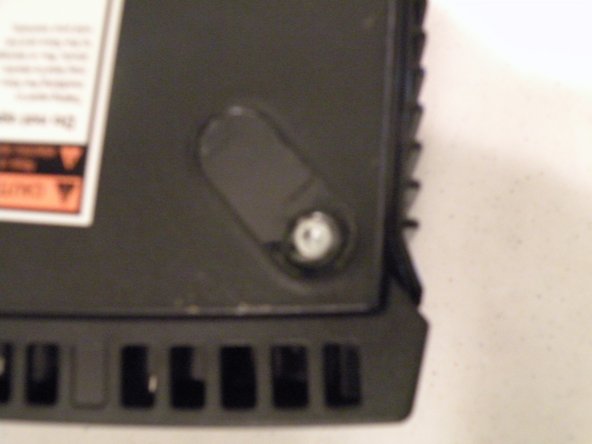
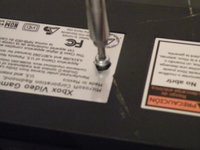
Rimuovi i quattro cuscinetti in gomma con un cacciavite a taglio o con uno spudger resistente. È necessaria un po' di forza per rimuoverli.
-
-
-
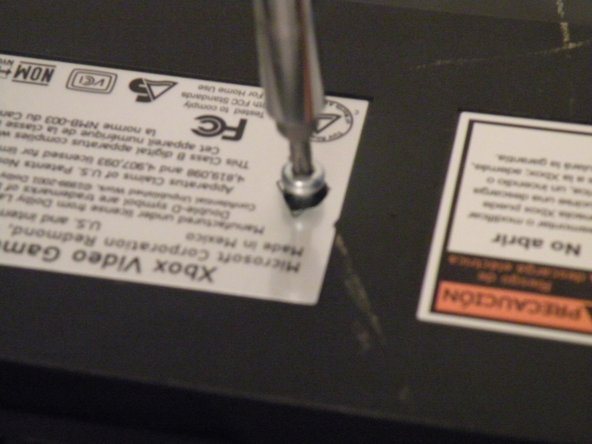
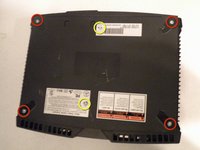
Facendo ciò dovresti vedere 4 viti Torx T10, ma ce ne sono altre 2 nascoste dagli adesivi.
-
Le viti nascoste sono indicate in giallo.
-
-
-
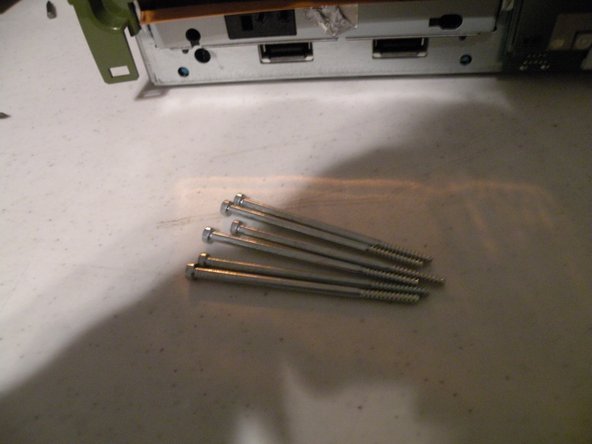
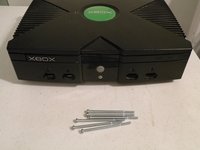
Rimuovi le 6 viti T10.
-
Hmm, dove le abbiamo già viste?
-
Nel mio Smontaggio di Xbox 360, naturalmente!
-
-
-
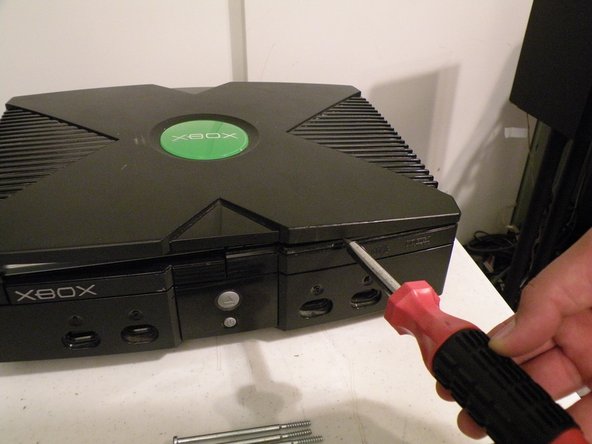
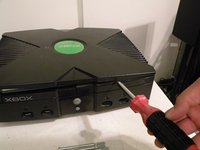
Per rimuovere la metà superiore della console, capovolgila in posizione verticale e usa un cacciavite a taglio per separare le due metà.
-
-
-
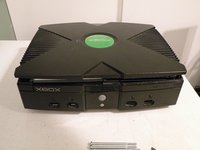
Solleva semplicemente la metà superiore.
-
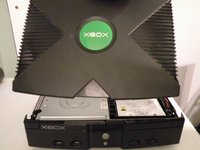
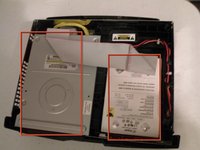
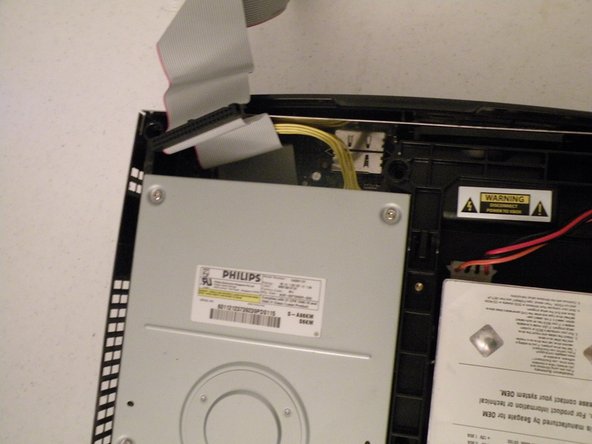
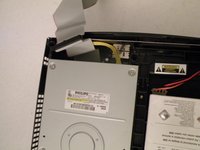
Questo rivela le unità.
-
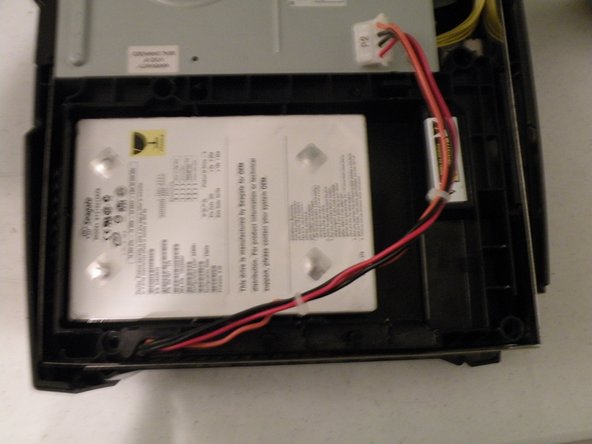
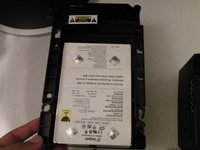
Da sinistra a destra: l'unità DVD-ROM e un'unità Seagate da 8 GB Parallel ATA
-
-
-
-
Rimozione delle unità
-
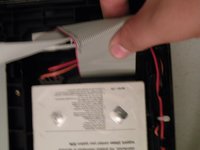
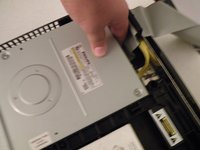
Inizia rimuovendo il cavo ATA da entrambe le unità. Potrebbe esserci un pezzo di nastro biadesivo che tiene in posizione il cavo a nastro.
-
-
-
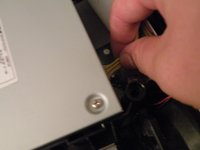
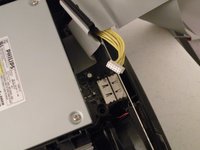
Successivamente, rimuovi i cavi di alimentazione dalle unità.
-
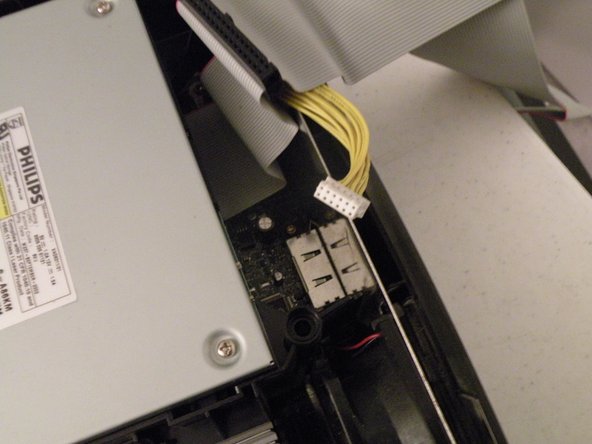
L'hard disk utilizza un connettore Molex standard per l'alimentazione, mentre l'unità DVD-ROM utilizza un connettore proprietario Xbox simile a quello dell'Xbox 360.
-
-
-
Prima di proseguire, dobbiamo rimuovere le 3 viti Torx T8 nascoste qui.
-
-
-
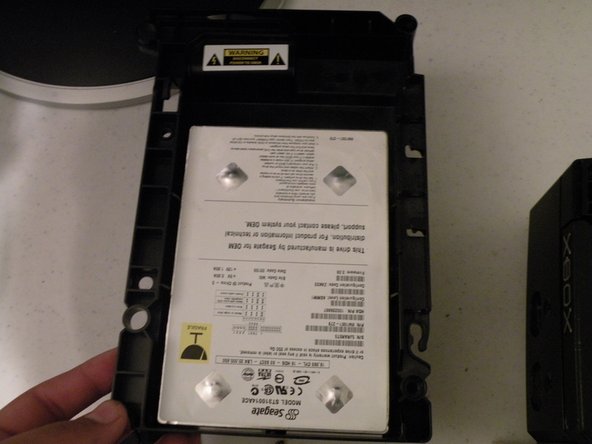
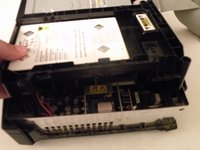
Solleva il disco rigido e la plastica ad esso fissata; dovrai far passare il cavo di alimentazione per riuscire a estrarlo.
-
-
-
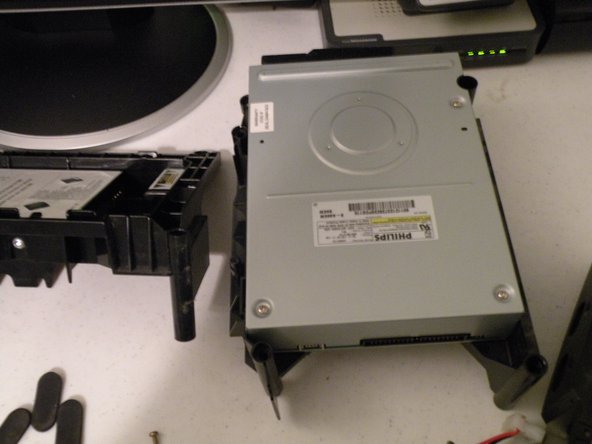
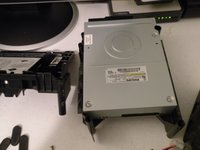
Rimuovi l'unità DVD-ROM.
-
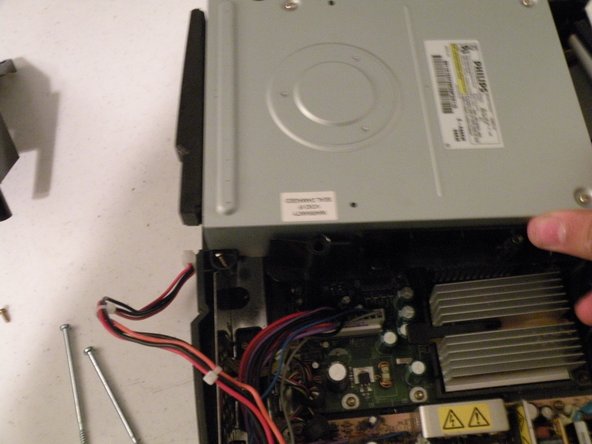
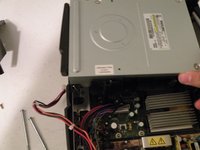
Solleva ed estrai l'unità DVD-ROM e la plastica ad essa collegata. In questo modo avrai accesso alla scheda logica.
-
-
-
Rimozione dei dissipatori di calore.
-
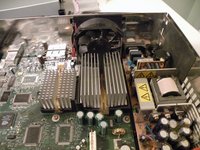
Quello grande a destra è la CPU, quello più piccolo a sinistra è per la GPU.
-
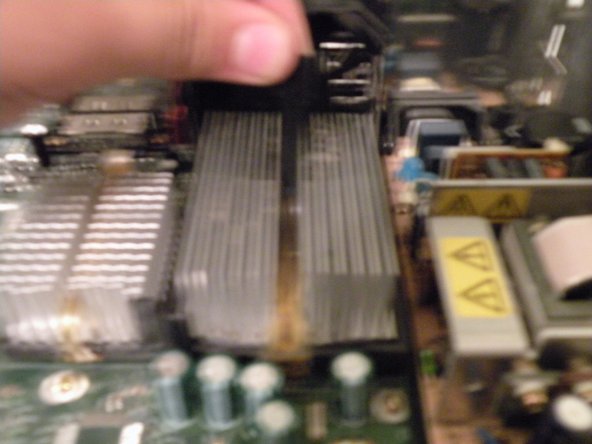
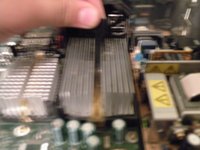
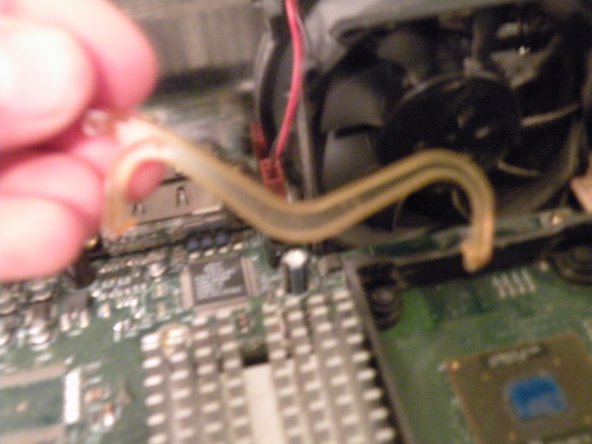
Solleva la linguetta nera sul dissipatore di calore della CPU. Questo rilascerà la tensione sul chip.
-
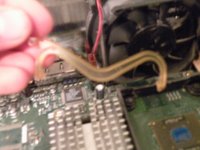
Successivamente, usa un cacciavite a taglio per rimuovere la clip. Poi solleva ed estrai il dissipatore di calore della CPU (potrebbe richiedere un po' di forza).
-
-
-
La CPU
-
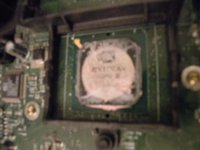
Quindi, cosa c'è dietro la porta numero uno?
-
Una CPU Intel Pentium III con una frequenza di 733 MHz.
-
Questa è in realtà una sorpresa, perché quasi tutte le altre console in circolazione utilizzano una CPU IBM PowerPC. Questo ci porta a chiederci: questa console potrebbe emulare Windows?
-
Solleva anche la domanda: perché Microsoft è passata a PowerPC proprio nel periodo in cui Apple è passata a Intel?
-
-
-
La GPU
-
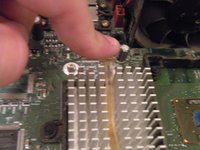
Premi sulla linguetta del dissipatore della GPU. Mentre lo fai, usa un cacciavite a taglio per spingere la linguetta in modo che, una volta rilasciata, superi il fermo
-
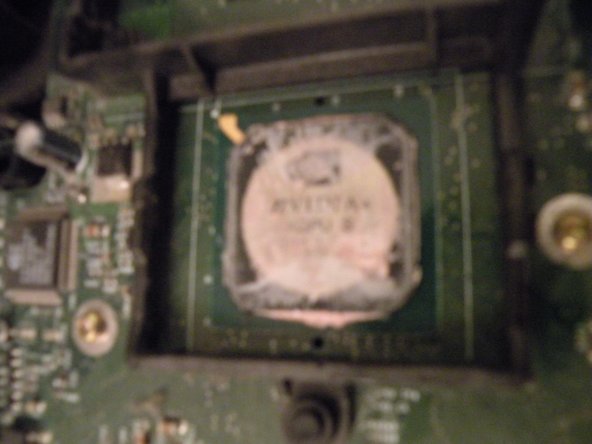
La rimozione del dissipatore della GPU rivela una NVIDIA NV2A.
-
-
-
Panoramica della scheda logica:
-
La CPU: una CPU Intel Pentium III integrata con clock a 733 MHz e bus di sistema (FSB) a 100 MHz
-
La GPU: Nvidia NV2A con clock a 233 MHz
-
L'alimentatore: fai attenzione quando ci lavori, potresti prendere la scossa se lo tocchi. Il connettore di alimentazione è simile a quello di un alimentatore AT che si trova nei computer degli anni '90. Può fornire 100 watt.
-
Il connettore ATA: collega entrambe le unità alla scheda logica della Xbox.
-
Le porte A/V
-
La porta Ethernet
-
-




















Team

11Commenti sulla guida
Since the CPU has only 128kB L2 cache, it's actually the Celeron version of the Pentium III processor. Which was meant for office work, not gaming. :/
The original XBox was x86 largely because Microsoft had no clue what they were doing when they first designed the console. x86 is a dreadful architecture to work with outside of PCs, and even in the PC industry, x86 isn't really all that wonderful and is only in use because of how the PC market works. Apple knew if they stuck with PPC much longer on Macs they'd lose critical mass with software developers and they'd end up selling very expensive paperweights in a few years if they didn't do something.
As for game consoles: PPC has been demonstrated and proven time and time again to be technically superior to x86. To this day (April 2013) this is still holding true. Microsoft ditched x86 for PPC in the 360 when they realized basing the XBox on the x86 architecture was a horrible idea, both power and power-consumption-wise.
Alas, the next XBox and the PS4 are both going x86, whereas Nintendo is wisely staying PPC with the Wii U.
Lol.
I am from the future and here to tell you how stupid that statement was.
Sources:
Xbox One - AMD Bulldozer
PlayStation 4 - AMD Bulldozer
Oh hey and now Nintendo moved to Arm... Why leave PPC? Well, you know... Mobility and less power consumption...
